


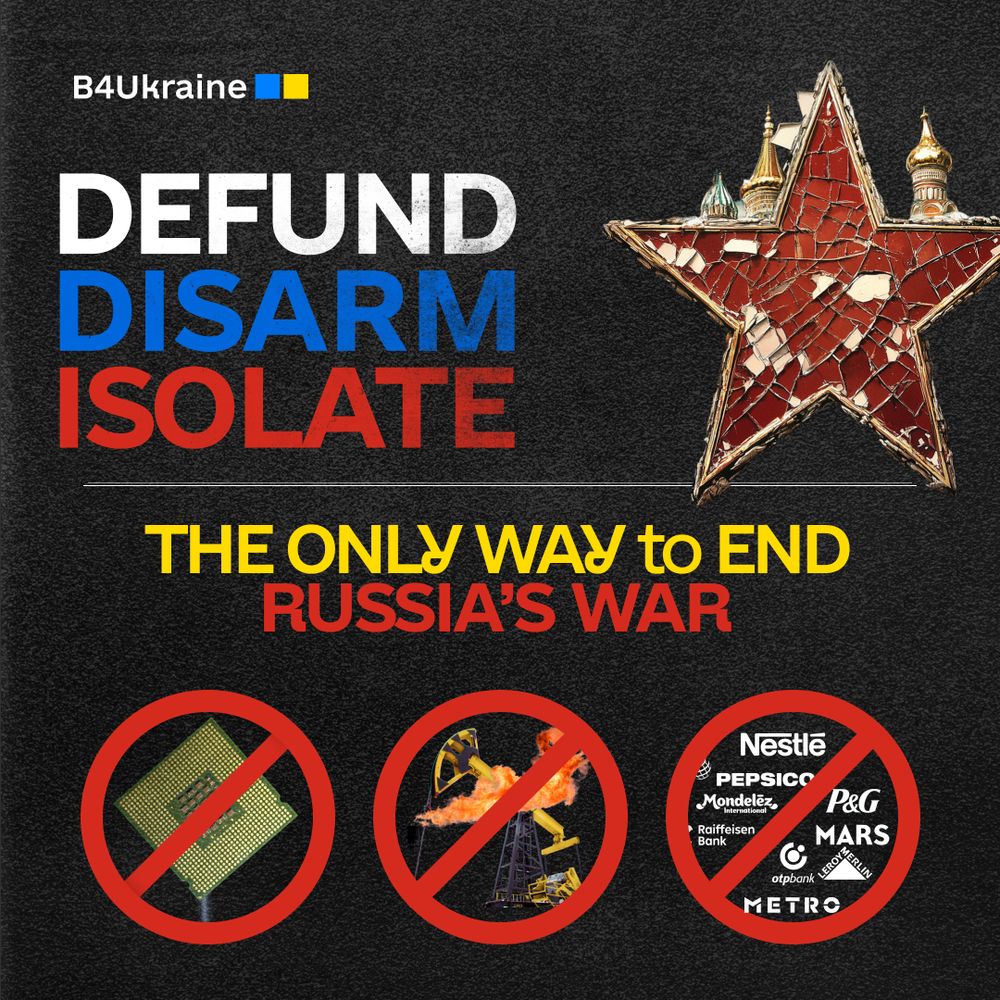


Four years after the full-scale invasion of Ukraine — and twelve years since the initial incursion — Russia continues to cause immense human suffering, massive material destruction, and severe environmental devastation. The largest war of the 21st century continues not because peace is impossible, but because Western businesses and policymakers have not cut off the economic lifelines sustaining Russia’s war.
Yes, sanctions and corporate exits from Russia have drained hundreds of billions from Moscow’s war chest. Yet, as Ukrainians continue to defend their country bravely, multinational corporations, energy-trade loopholes, and critical technology exports continue to fuel the aggression.
The key lesson of the past decade remains unlearned: Russia will not stop until the West cuts off its ability to fund and arm its war machine.
As Russia’s aggressive activities rise across Europe, from cyberattacks to physical sabotage, every day of delay and every dollar, euro, or pound flowing to Russia is an open invitation for the war to reach our own doorsteps.
Defunding and disarming Russia — fully and decisively — is the only path to a just and lasting peace for Ukraine and Europe, the only way to halt the rapid collapse of the international order.
The B4Ukraine Coalition — a global network of more than 100 civil society organisations — demands decisive action from policymakers: shut down policy loopholes, enforce sanctions in full, and hold corporate enablers of Russia’s war accountable for their role in sustaining the aggression. These actions could be taken today and would save countless innocent lives.
B4Ukraine’s most recent report offers concrete recommendations on what should be done.
Prevent Western Companies from Operating in Russia
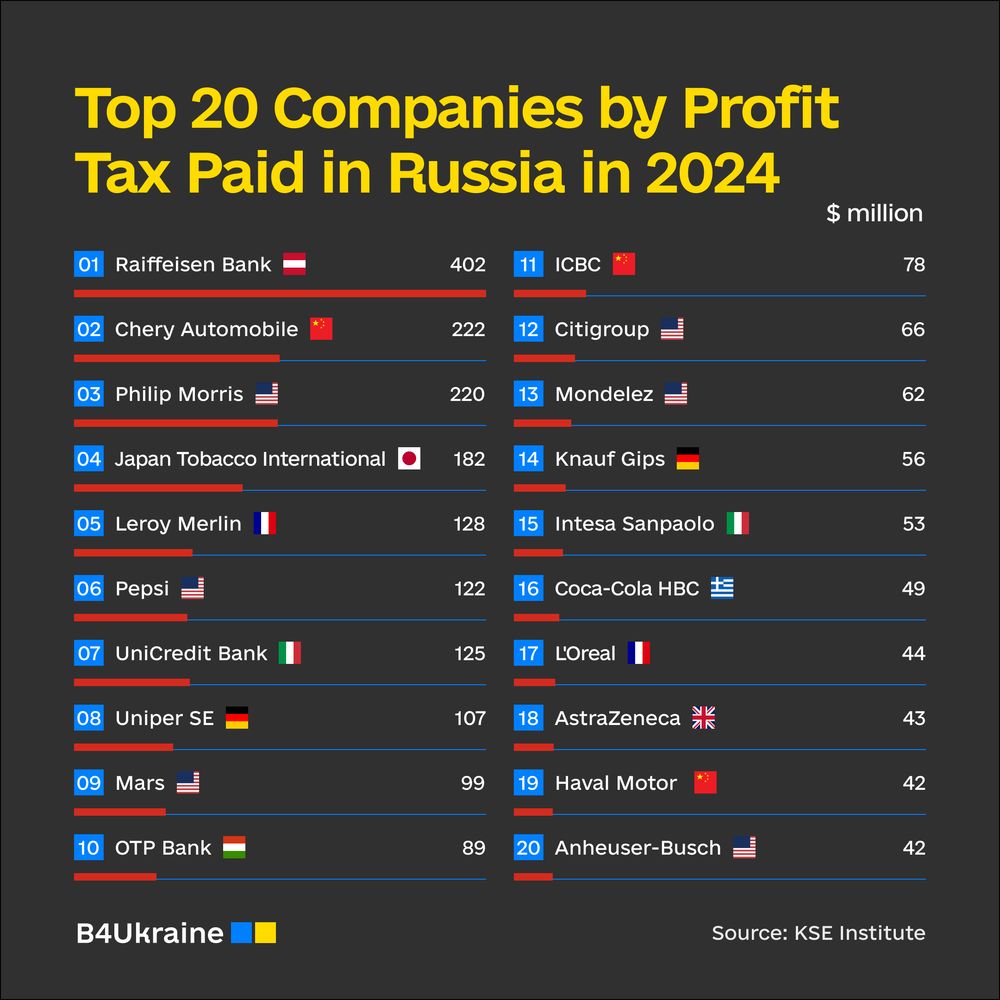
Businesses that remain in Russia provide a critical economic lifeline, paying corporate taxes and supplying the goods, services, and technology that sustain the Kremlin’s war effort.
Western policymakers have shown little appetite to stop this, and there remains a lack of political will to compel domestic companies to exit the Russian market responsibly.
The EU, the G7, and all governments committed to a rules-based international order should issue clear market guidance warning of the escalating risks of continued operations in Russia and introduce deterrent measures — such as financial penalties, restrictions on access to contracts, and exclusion from public procurement — for companies that choose to do business in or with Russia.
Curb Russia’s Oil and Gas Export Revenues
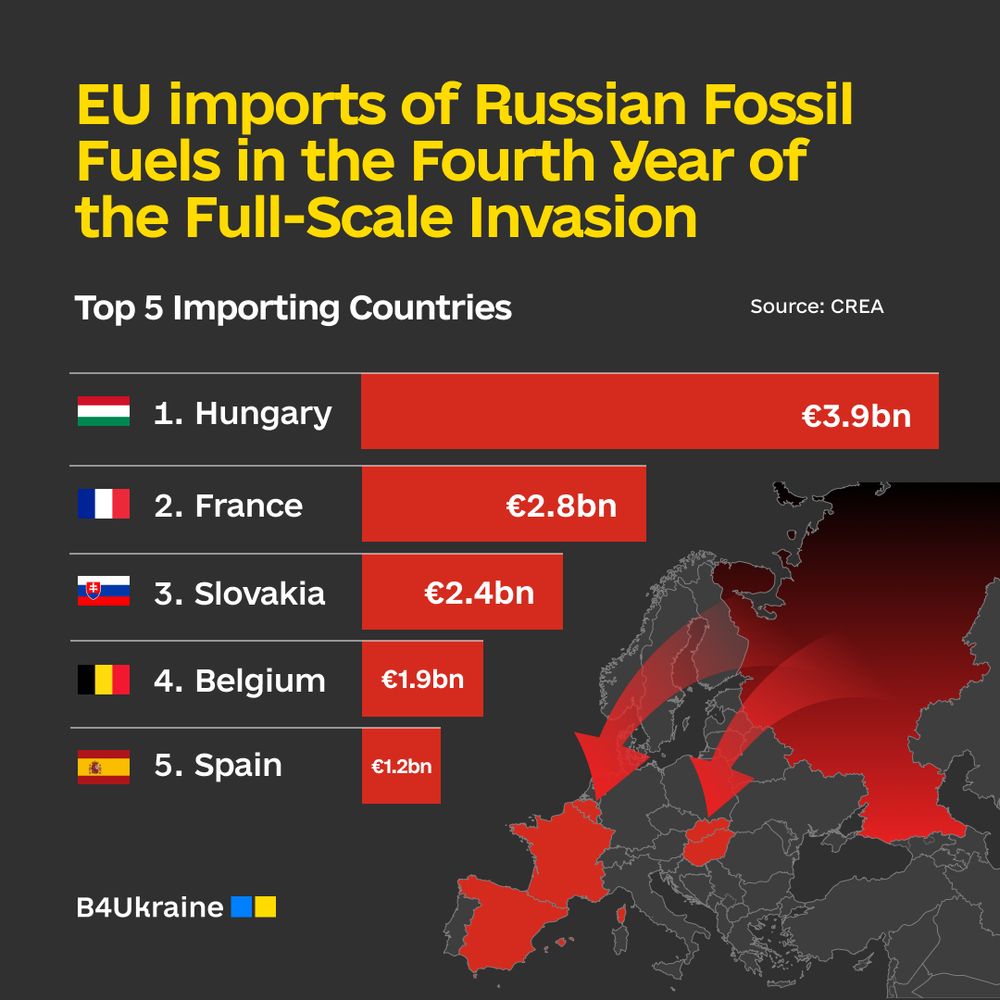
In the fourth year of the all-out war, Russia earned €193 billion from fossil fuel exports — only 27% below pre-invasion levels. Russian LNG exports to the EU declined by just 9%.
The West must fully decouple from Russian fossil fuels, scrap the price cap policy, impose a full EU ban on maritime services for Russian oil and LNG shipments, expand sanctions against the shadow fleet, keep pressure on to derail Russia’s strategic projects in the Arctic, and impose sanctions on Russian oil companies.
Stop the Flow of Western Weapons Technology into Russia
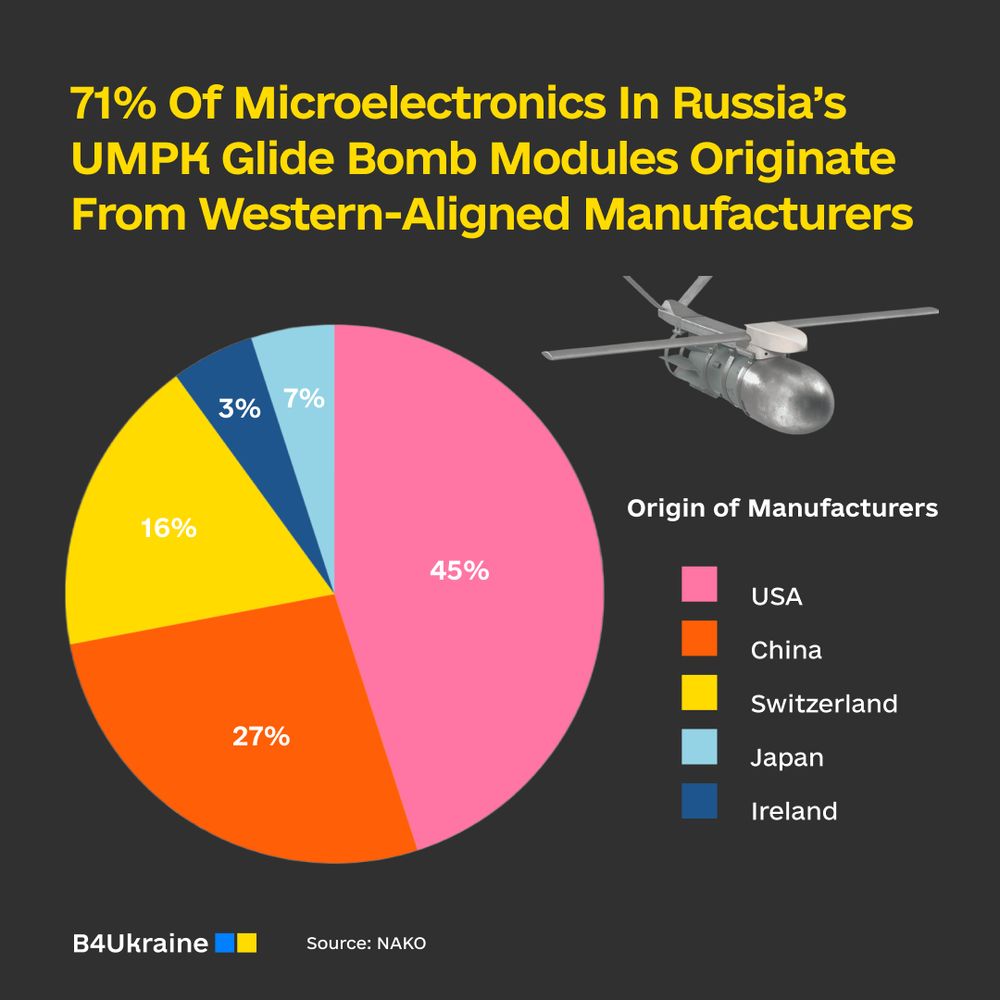
Western-made electronics and critical components are still flowing into Russia’s military-industrial complex, allowing it to build its most lethal weapons. Russia is using paper companies and 3rd countries routing in order to import necessary goods for the military industrial complex.
This situation has become possible because the failure to fully enforce sanctions and export controls. Three core weaknesses stand out: the absence of a central coordinating body akin to the Cold War-era CoCom; the lack of consequences for companies that fail to carry out proper due diligence; and the lack of accountability for states that allow their territories to become hubs for widespread sanctions evasion.
The world’s democracies must rebuild the institutional architecture necessary for coordination and enforcement, and show the political will to hold violators accountable. Without decisive action, Western technology will continue to fuel conflicts far beyond the borders of Ukraine.
Four years into this war, sanctions and corporate exits remain essential to crippling Russia’s war machine.
Russia’s war economy is weak — and the world can finish what it started. With decisive and sustained pressure, the remaining pillars of Russia’s ability to wage war can be shattered, delivering what Ukrainians have fought for and what peace-seeking people everywhere deserve.
If Russia’s war machine is not fully stopped now — through disarmament, defunding, and isolation — it will rebuild its strength and come back with another war. It is therefore the responsibility of decision-makers to cut off Russia’s financial and technological lifelines to ensure Ukraine’s ultimate victory.
Continue reading the full report